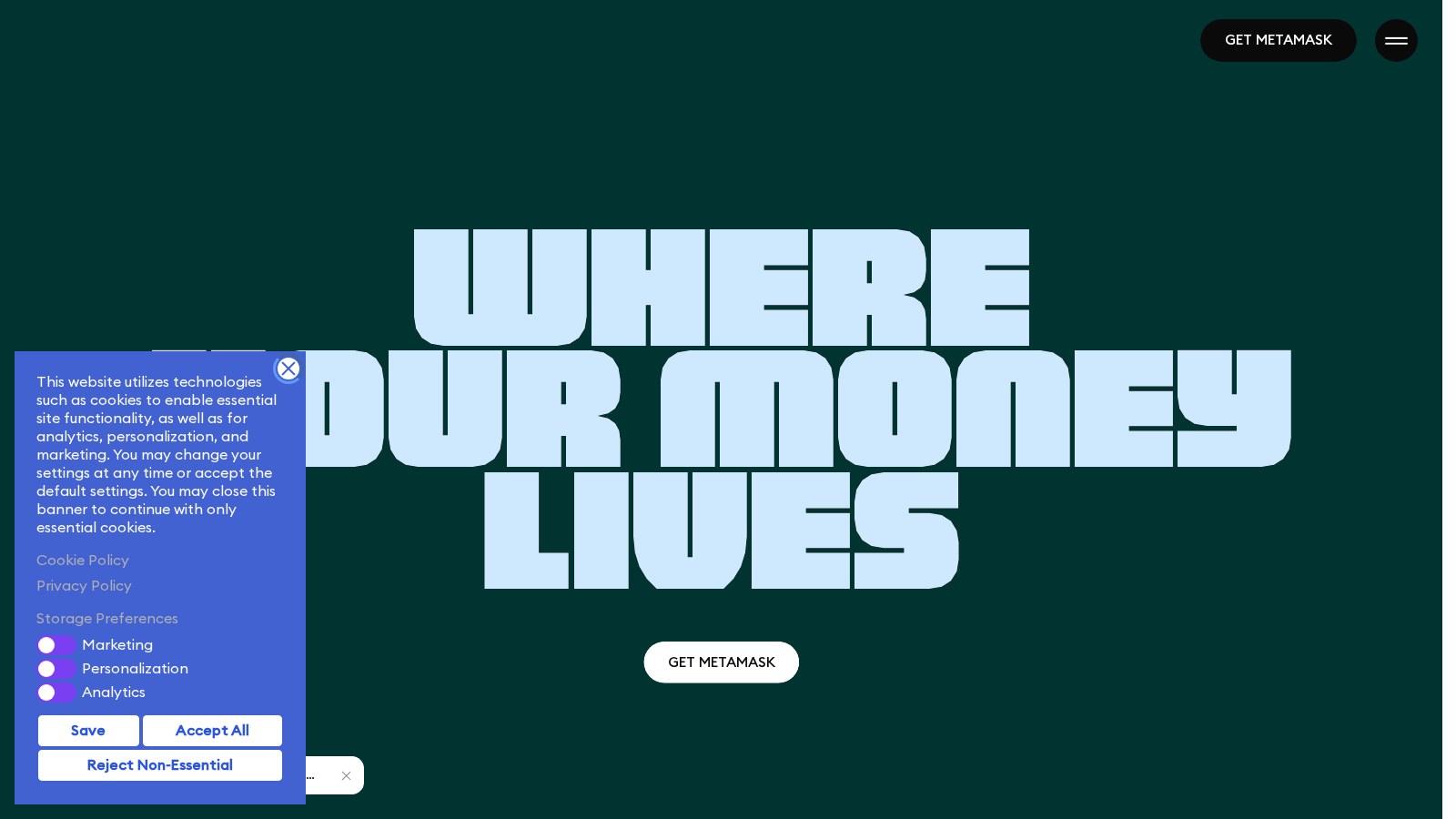
MetaMask's advantage is compatibility. There is no meaningful Ethereum application that fails to support it, and support articles across the industry are written against its interface. For a first wallet, that removes an entire class of problem.
We used it as a daily driver for a month across desktop and mobile, connecting to lending, trading and NFT applications, and moving assets between three networks.
The core flows are stable. Network switching prompts are handled well, hardware wallet pairing works, and the mobile browser is a reasonable answer to a hard problem.
Where it falls behind is in what the wallet tells you before you sign. Competitors now simulate the transaction, name the contract, flag the approval scope and warn on known-malicious addresses by default. MetaMask has added pieces of this, but the default experience still shows too much hexadecimal at the moment it matters most.
Built-in swaps are convenient and consistently more expensive than routing the same trade yourself, a spread that is disclosed but easy to miss.
It remains a sensible default and a poor optimum. If you sign transactions often, a safety-first alternative will save you money and, eventually, a mistake.